
How to Measure Your Body Shape (Bust, Waist, Hips)
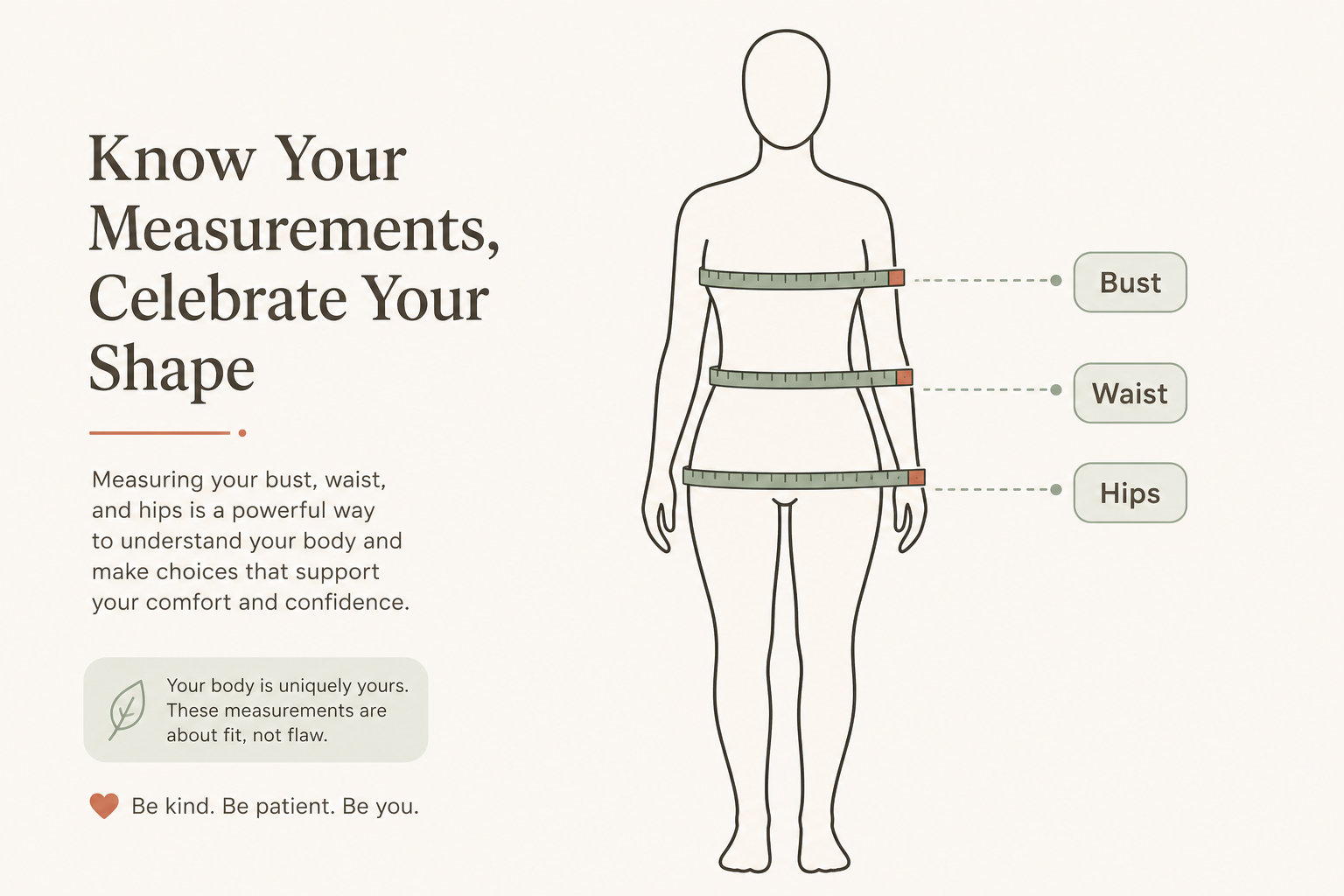
How to Measure Your Body Shape
Measure your body shape by taking three girths with a soft tape: the bust or chest at its fullest point, the waist at its narrowest point, and the hips at their fullest point. The relationship between these three measurements, not any single number, defines the shape. An optional high-hip measurement for women and a shoulder measurement for men refine the result.
Body shape describes the silhouette, the way key girths relate to one another, rather than weight or clothing size. Accurate inputs produce an accurate result, so the landmarks and technique below matter. The Body Shape Calculator turns the three measurements into a shape and a proportion graphic, and this guide covers how to take each one correctly.
The Measurements You Need
Finding a body shape requires 3 main measurements, with 2 optional ones:
- Bust or chest, measured around the fullest point.
- Waist, measured at the narrowest point of the torso.
- Hips, measured around the fullest part of the seat.
- High hip (optional, for women), measured 3 to 4 inches below the waist.
- Shoulders (optional, for men), measured around the fullest part of the shoulder girdle.
The three main measurements are enough for a result. The optional high-hip measurement separates similar lower-body shapes, and the optional shoulder measurement sharpens upper-body reads. The body shape calculator by measurements uses each field to place the silhouette.
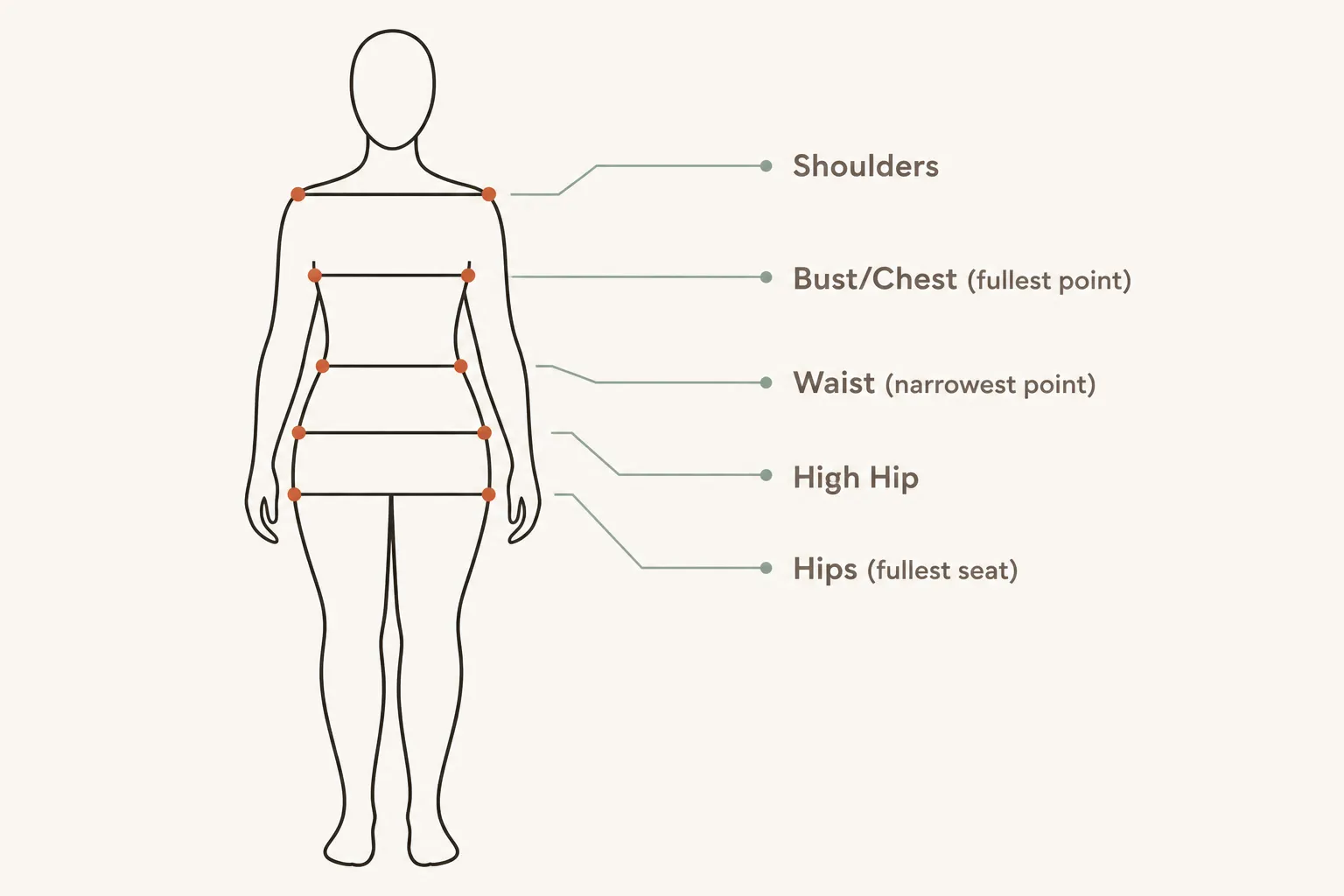
How to Measure Each Point
Use a soft, flexible measuring tape, stand tall with feet together, and breathe normally. Keep the tape parallel to the floor and snug without compressing. Measure over thin clothing or a well-fitting base layer so the tape sits where garments sit.
Bust or Chest
Measure around the fullest point of the bust, usually across the nipple line, keeping the tape level front to back. The tape should be snug but not tight enough to compress, so a normal breath stays comfortable. For men, measure around the fullest part of the chest the same way.
Waist
Measure the narrowest point of the torso, typically just above the navel and below the ribcage. Bend to one side once, and the crease that forms marks the natural waist. Keep the measurement relaxed rather than held in, because clothing patterns and ratios expect a natural waist.
High Hip
Measure about 3 to 4 inches (7 to 10 cm) below the natural waist, where the pelvic bone sits and many trousers begin. This optional measurement helps separate lower-body shapes when the hips are fuller. Skipping it still returns a result, though the calculator may suggest adding it for a finer read.
Hips
Measure the fullest part of the hips and seat, viewed from the side, which is often lower than expected. Keep the feet together and the tape level all the way around. This girth drives the waist-hip ratio and the comparison between hips and bust.
How Your Measurements Decide Your Shape
A body shape comes from the relationships between the three main girths, not from any single number. After the measurements are taken in one unit, the Body Shape Calculator compares them and returns the closest category:
- Hourglass: bust and hips are close in size, with a clearly smaller waist.
- Pear (triangle): hips are wider than the bust, with a narrower upper body.
- Inverted triangle: bust or shoulders are wider than the hips.
- Rectangle: bust, waist, and hips sit close together, with a soft waist.
Women’s systems often add bottom hourglass, top hourglass, and spoon for finer lower-body distinctions, which is where the high-hip measurement helps. The female body shapes page shows each category and the proportions behind it. No category is healthier or better than another; the label is a guide for fit and styling, not a ranking.
Waist-Hip Ratio
Waist-hip ratio (WHR) is the waist measurement divided by the hip measurement. Divide the two numbers to get a value such as 0.75. WHR is a simple numeric cue about how measurement sits around the midsection versus the hips, and it answers a different question than the clothing-shape label.
A person can have an hourglass silhouette and a WHR they still track over time, or a rectangle shape with a comfortable ratio, so the two results are read together rather than merged. The waist-hip ratio tool reports the value alongside the shape. WHR appears in public-health discussions as a screening cue, not a diagnosis, and any personal health question belongs with a clinician.
Common Mistakes When Measuring Body Shape
Three common mistakes distort a body shape measurement:
- Holding the stomach in during the waist measurement, which reports a waist smaller than clothing expects.
- Mixing units, such as a waist in inches and hips in centimeters, which corrupts the ratio.
- Angling the tape instead of keeping it level, which changes the girth at every point.
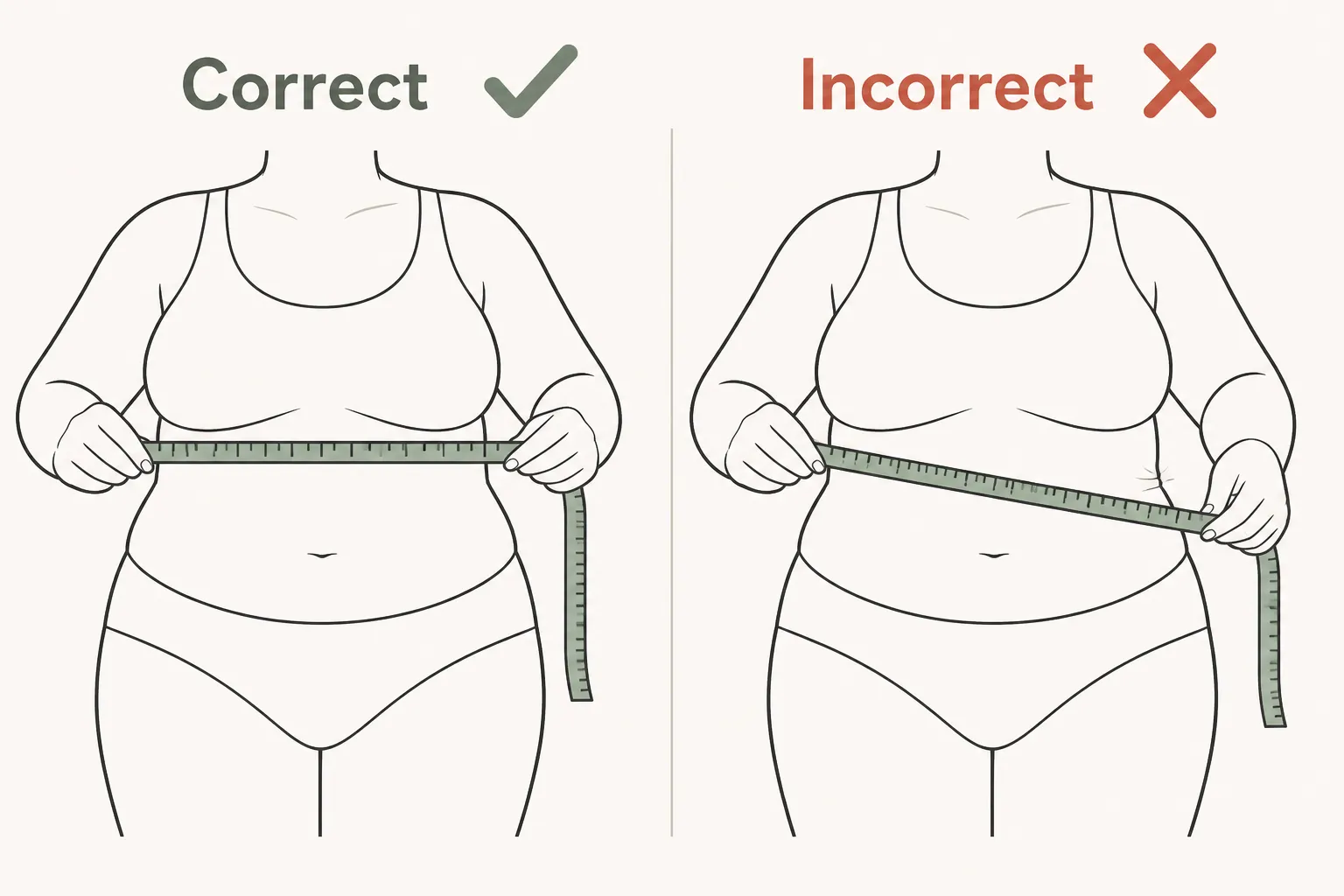
Two further errors shift the result. Measuring over bulky clothing adds width that is not the body, so a thin base layer is better. Placing the hip tape too high misses the fullest point of the seat and understates the hips. Adding the optional shoulder measurement for men improves inverted-triangle reads, and the shoulder-to-hip tool uses it directly.
Frequently Asked Questions
Which measurements do you need to find your body shape?
You need three measurements to find your body shape: bust or chest, waist, and hips, taken with a soft tape. An optional high-hip measurement for women and a shoulder measurement for men sharpen the result. The relationship between the three main girths, not any single number, defines the shape.
Where do you measure your waist for body shape?
Measure the waist at the narrowest point of the torso, usually just above the navel and below the ribcage. Bend to one side and the crease that forms marks the natural waist. Keep the tape level and relaxed, and do not hold the stomach in, because clothing and ratios expect a natural measurement.
Should you measure body shape in inches or centimeters?
Either unit works, as long as every measurement uses the same one. Body shape depends on the ratio between bust, waist, and hips, so mixing inches and centimeters corrupts the comparison. Choose one unit, measure all points that way, and stay consistent when you remeasure later.
How do body measurements decide your shape?
The relationships between bust, waist, and hips decide the shape. An hourglass has a bust and hips of similar size with a much smaller waist, a pear has hips wider than the bust, an inverted triangle has a bust wider than the hips, and a rectangle has the three measurements close together.
What is waist-hip ratio and how do you calculate it?
Waist-hip ratio is the waist measurement divided by the hip measurement. Divide the two numbers to get a value such as 0.75. It is a simple cue about how measurement is distributed around the midsection versus the hips, and it is separate from the clothing-shape label.
Ready to run the numbers? Use the Body Shape Calculator.